
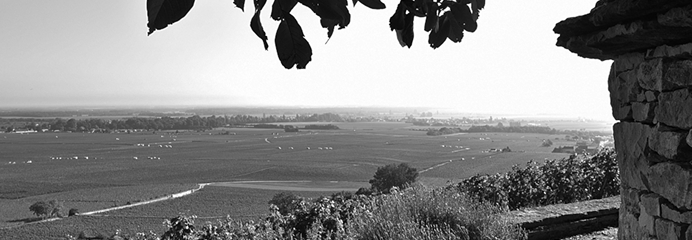
DOMAINE MONGEARD-MUGNERET, SINCE 1620
The IMPORTANCE
of TIME
One Family, one STORY,
one Legacy
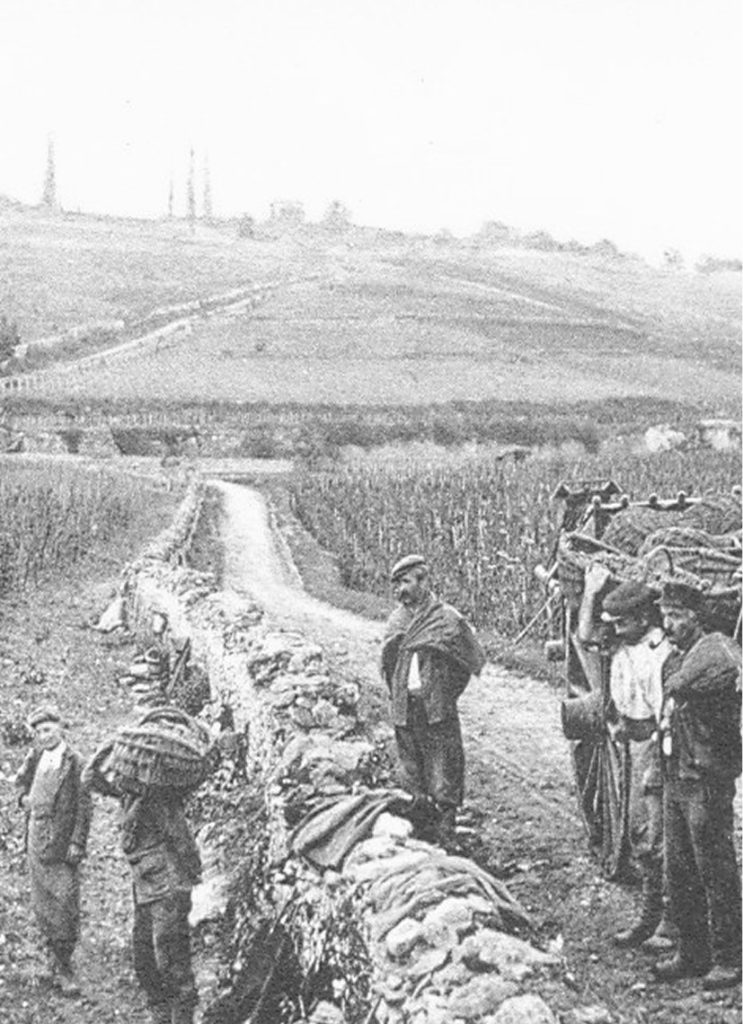
Our family descends from a long line of winegrowers. Historical records allow us to trace our story back to 1680.
In 1920, the union of Eugène Mongeard and Edmée Mugneret brought together two winemaking families and shaped the Domaine as we know it today. Their son, Jean Mongeard, carried forward this legacy with steadfast dedication, establishing the Mongeard-Mugneret name among the Côte de Nuits’ most esteemed producers.
In the 1970s, Vincent Mongeard, son of Jean, joined the estate and slowly assumed leadership of the vineyards.
Heir to a craft shaped by centuries of labor, he blends respect for tradition with a vision for the future.
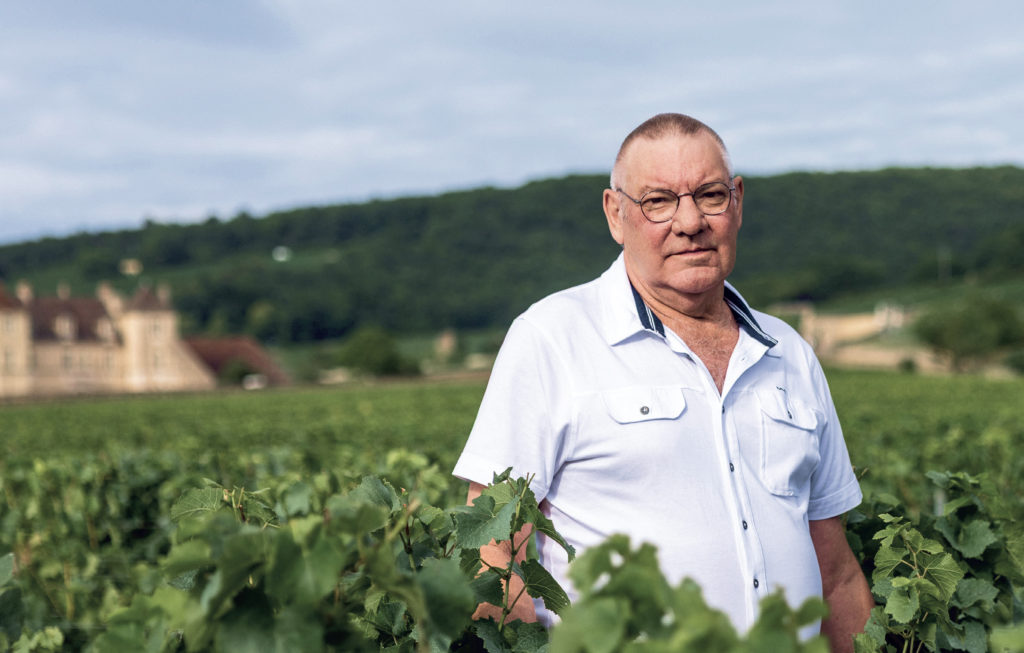
Today, the Domaine spans 30 hectares across 37 appellations—from the prestigious Richebourg, Grands Échezeaux, Échezeaux, and Clos de Vougeot to regional appellations, showcasing the rich diversity of Burgundy’s terroirs. Faithful to the family’s ethos, Vincent Mongeard carries forward the pursuit of excellence, favoring a viticulture respectful of nature and allowing wines to mature patiently in the quiet of the cellars.
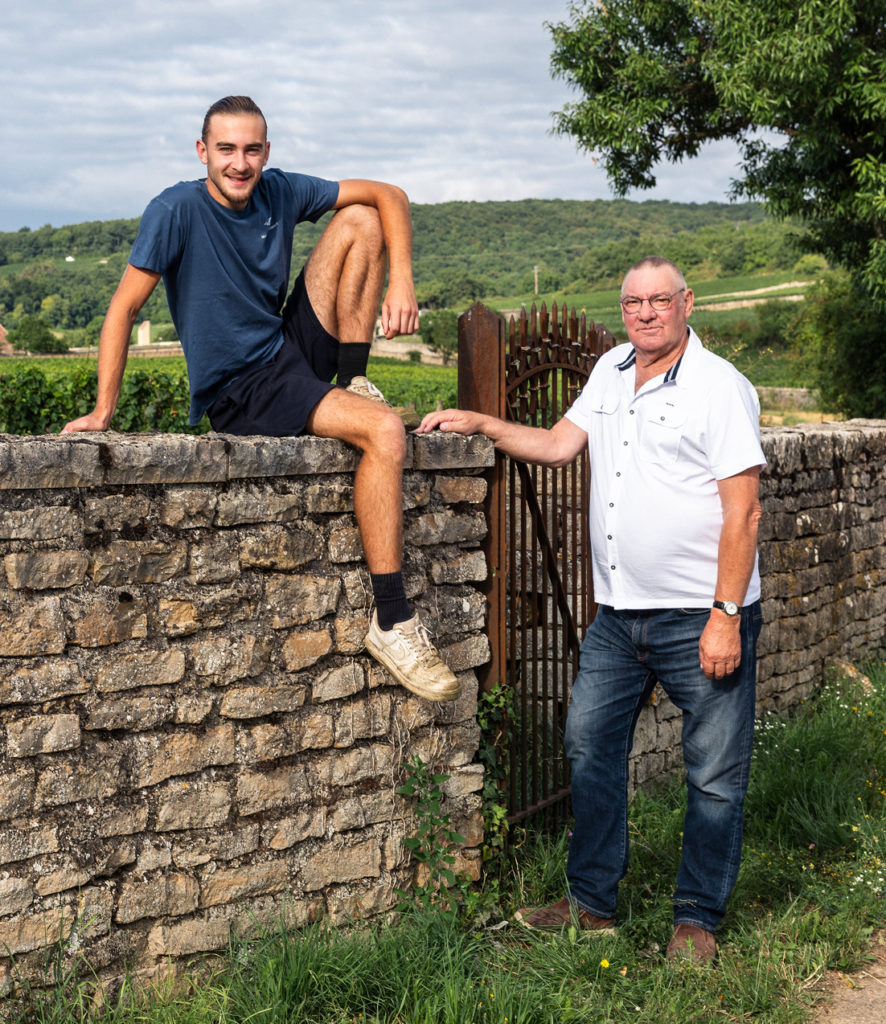
Vincent now takes pleasure in passing on his winemaking knowledge to his grandson Maxence, who has recently joined the family Domaine.
Our land, the first SIGNATURE
of our wines
Our terroirs, shaped by an irreplaceable mosaic of soils, yield parcels of remarkable individuality. Vincent Mongeard draws on deep experience and refined judgment to craft cuvées that faithfully reflect the identity of each vineyard. For him, terroir – the interplay of soil, climate, and place – is essential.
Pinot
MONGEARD
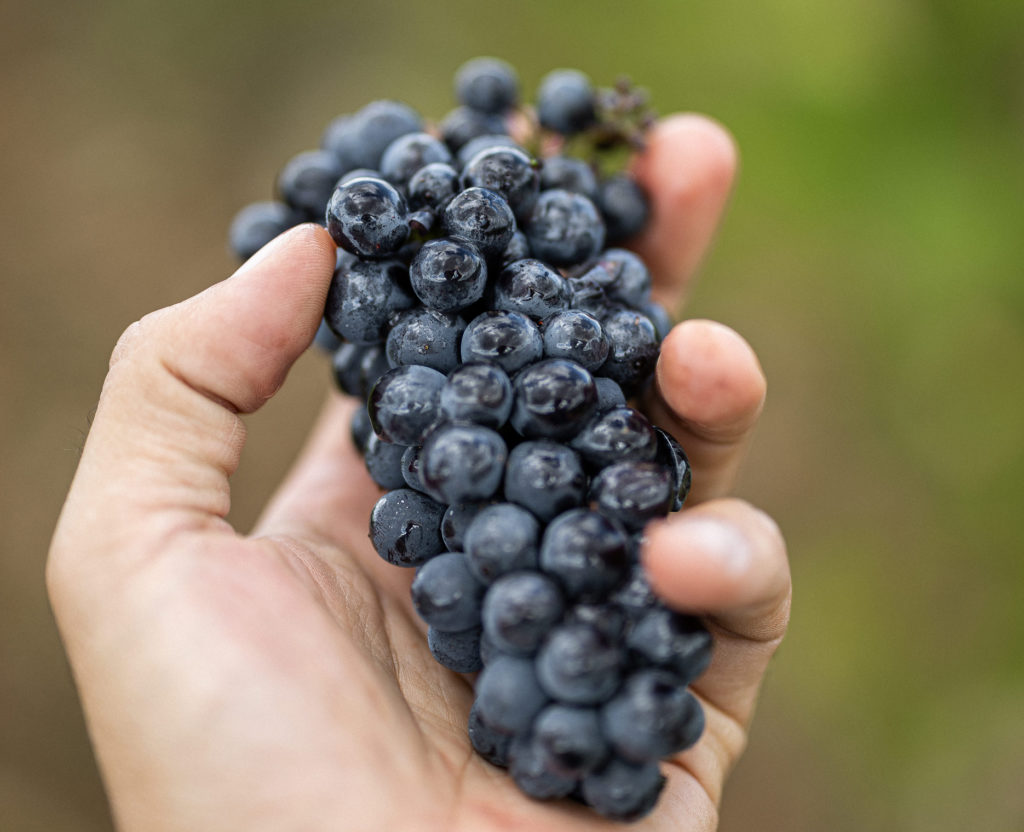
During the 19th century, Jean-Baptiste Mongeard noticed a distinctive vine with serrated leaves that produced the finest grapes. Low-yielding but intensely concentrated, it came to be known as the Pinot Mongeard selection.
At the Viticultural School in Beaune, grafting has been taught since 1884. The school maintains a living collection of old Bourgogne grape varieties—enriched over time by the family cuttings brought in by generations of students. That is where our Pinot Mongeard took root. Pinot Mongeard is the result of massal selection, a method that involves identifying the most promising vines in one’s own vineyard.
For three generations, we’ve taken cuttings from vines that produce exceptional fruit. These are then grafted and replanted—not from a single clone, but from multiple “mother” vines to preserve genetic diversity.
Our COMMITMENT
to the environment
Domaine Mongeard-Mugneret holds a High Environmental Value (HVE) certification. This recognition reflects our ongoing efforts to pass down a healthy, living heritage to future generations.
We work to maintain biodiversity by nurturing the natural ecosystems found in and around our vineyards—hedgerows, groves, dry stone walls, and streams. These areas receive no inputs or treatments and serve as refuges for insects and wildlife.
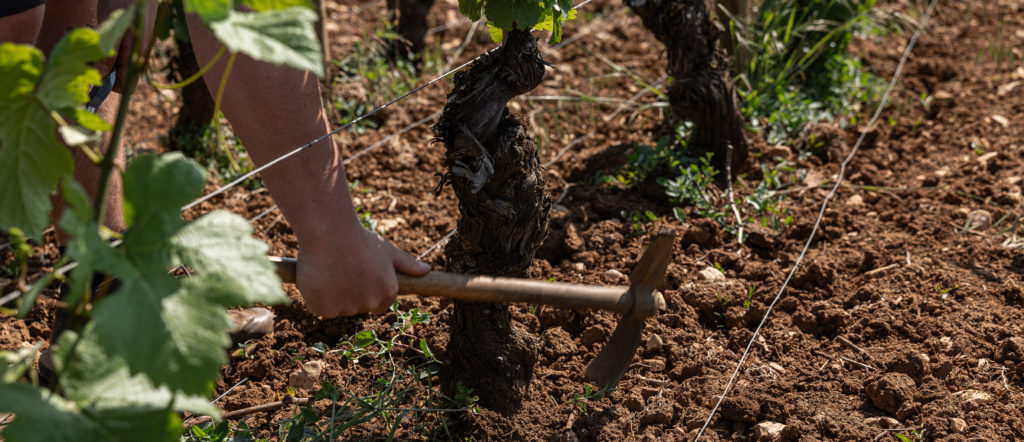
Our fertilization practices are measured and tailored. We carefully assess nutrient input and output, conduct soil analyses, and adjust applications parcel by parcel. In some zones, we deliberately avoid fertilization altogether and favor the use of raw cattle manure.
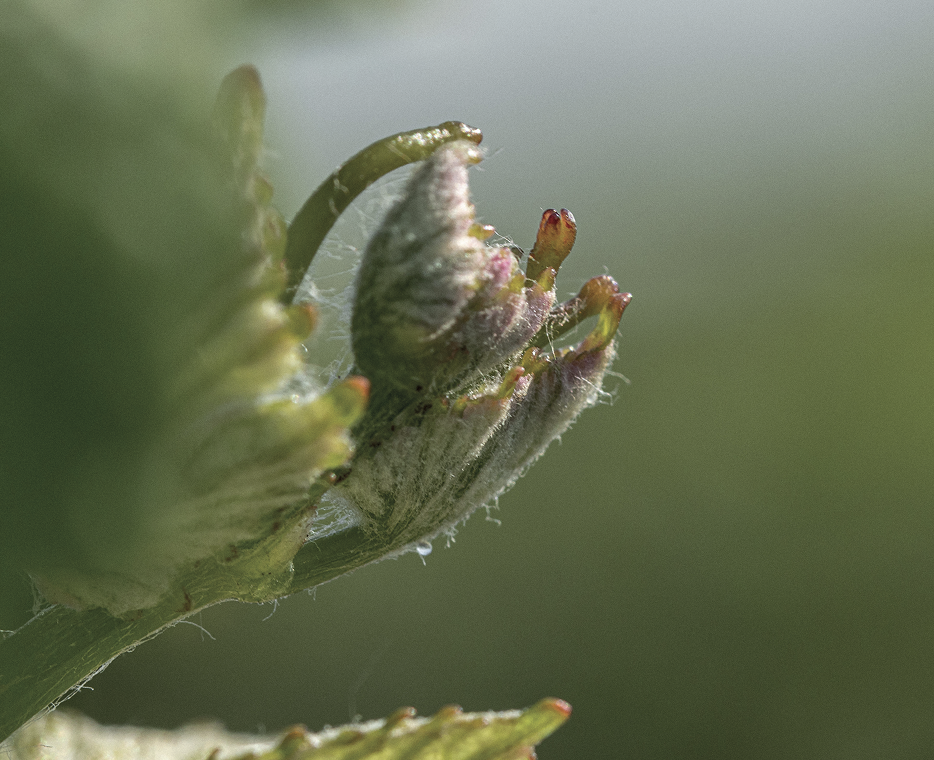
Our approach to vineyard health is preventive and precise. We rely on canopy thinning, bud removal, trellising, and physical or biological control methods. Treatments are targeted, non-treated zones are preserved, and we encourage ground cover whenever possible.
A Long-Awaited Moment:
THE HARVEST
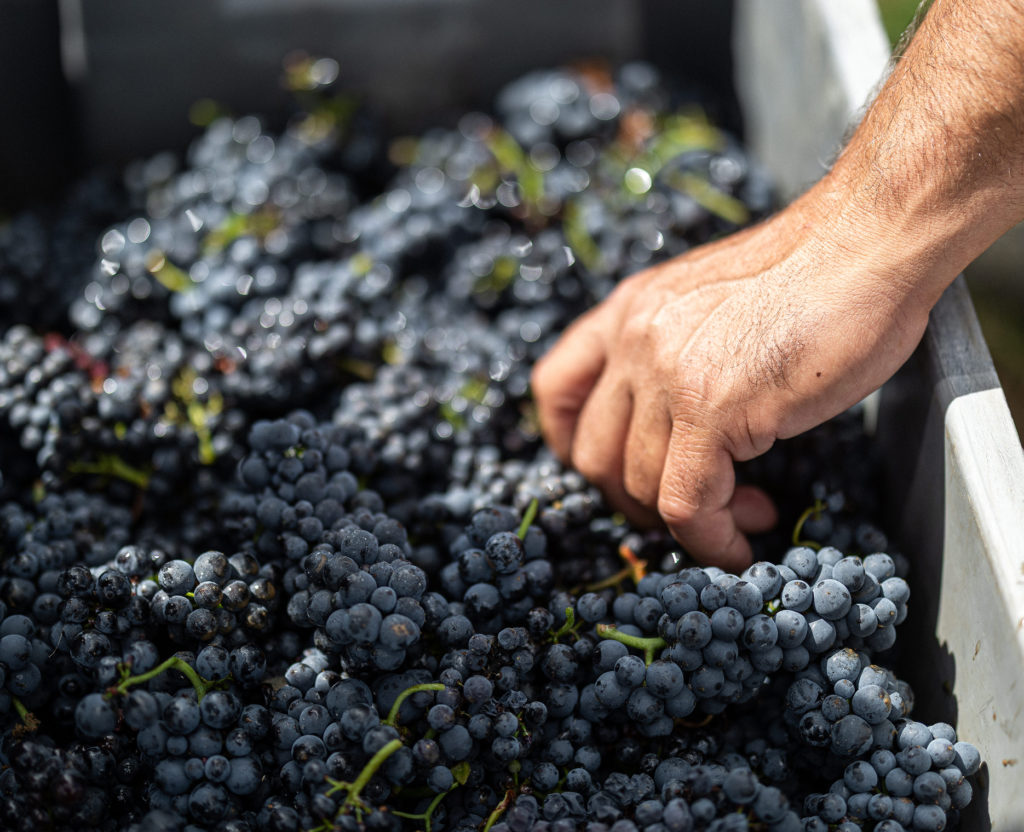
The culmination of the growing season comes with the harvest—a moment long anticipated.
After months of attentive care and meticulous ripeness checks, the grapes are gathered exclusively by hand. At the winery, they are sorted with the same precision and care. Only then are they ready to express the full character of their origin.
Vinification,
A CRAFT AND A CALLING
Our winemaking honors tradition while adapting to the needs of each vintage to faithfully express the character of Pinot Noir.
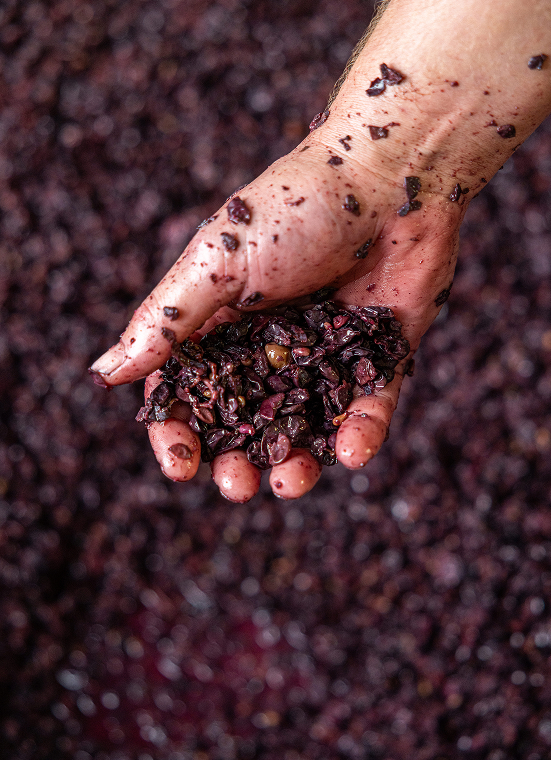
Fermentation begins naturally after a few days of cold pre-fermentation maceration and lasts around twelve days.
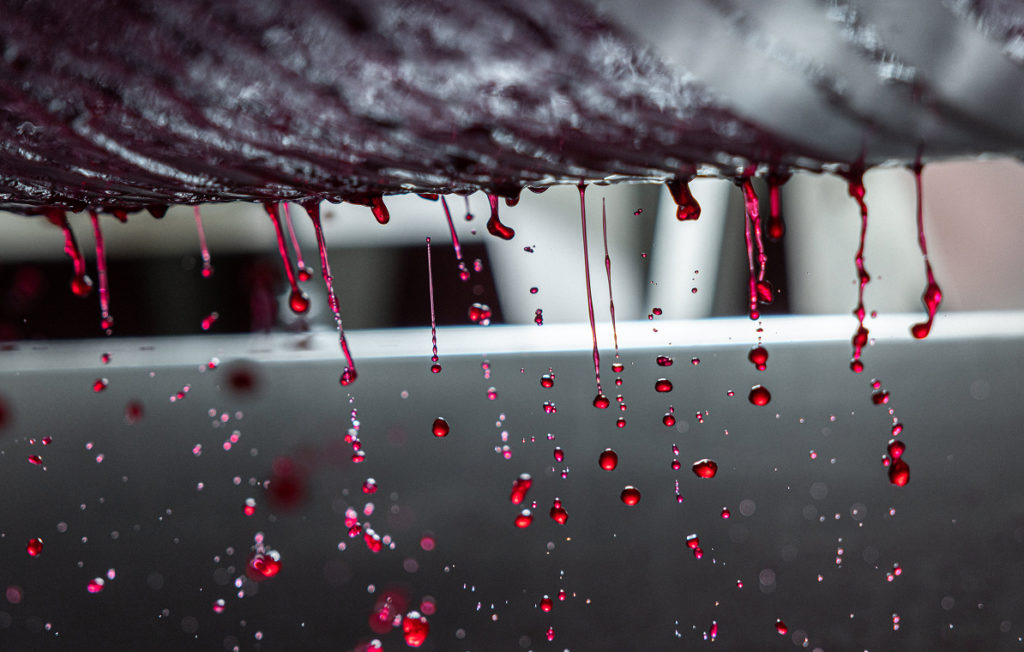
Attentive and exacting, Vincent Mongeard personally oversees each cuvée. When pressing, it is his trained palate that determines the proportion of new oak to be used.
A PERSONAL REFLECTION
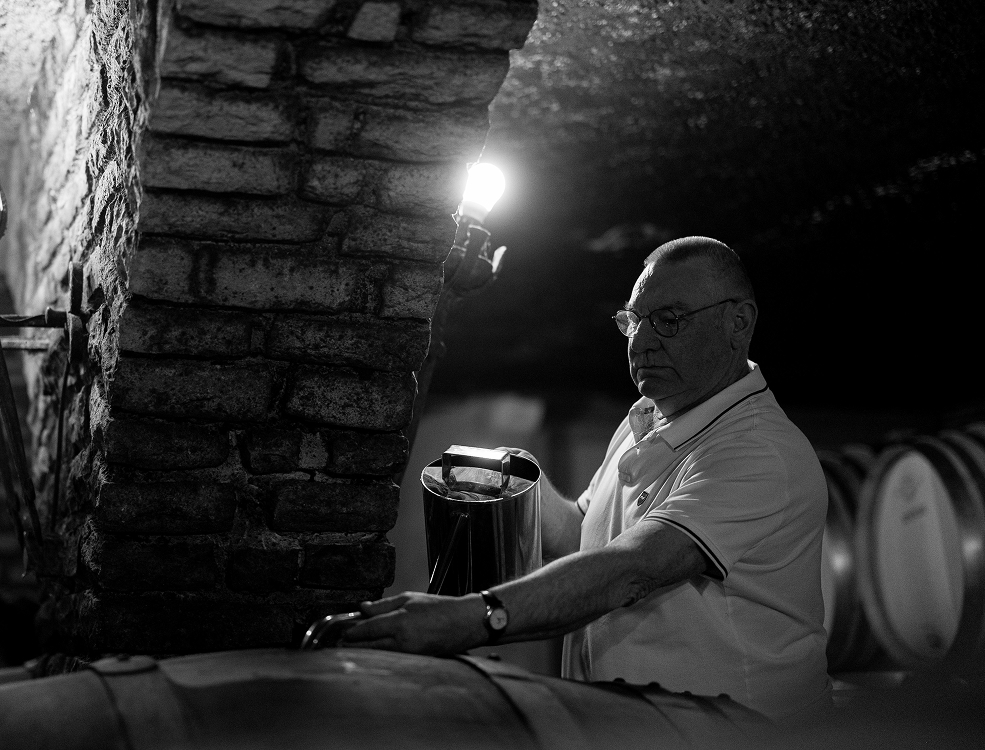
In the silence
OF THE CELLAR
I am a winegrower. Everything starts in the vineyard.
I know every parcel, every row.
But once the grapes are harvested, another phase begins:
guiding the wine, letting it develop at its own pace.
And in that, I follow a path that is very much my own.
My relationship,
WITH OAK
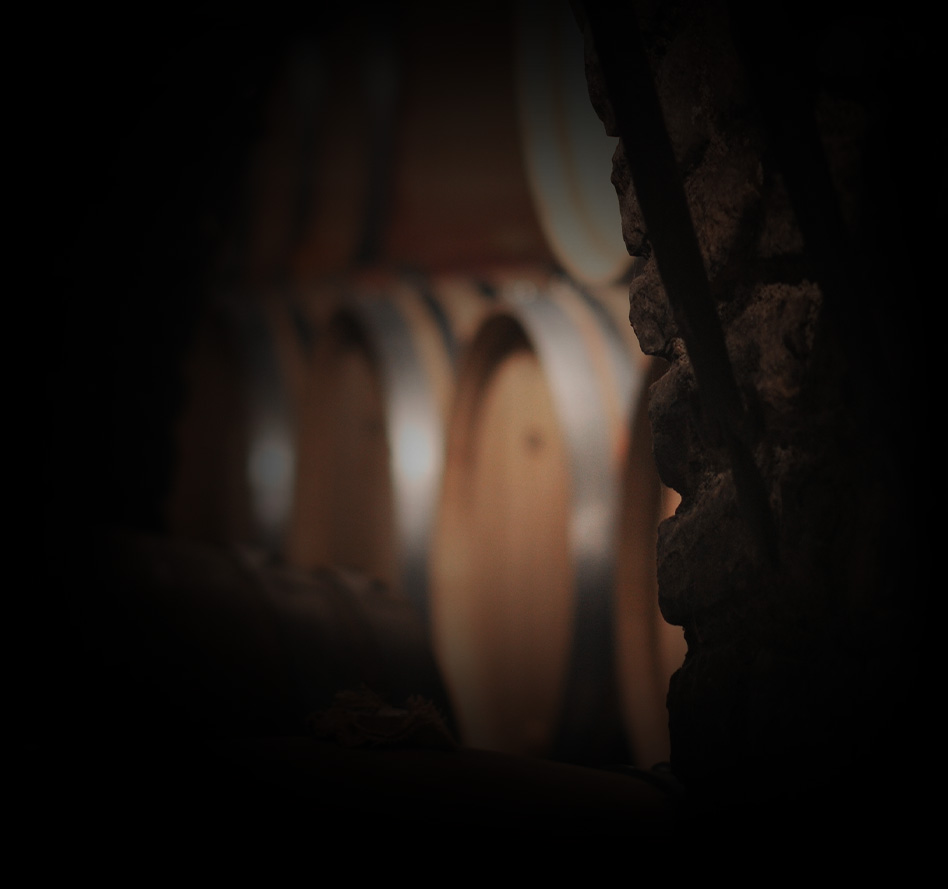
From father to son, our wines have always been matured in oak barrels—a tradition I continue with great care. I have a deep appreciation for wood and strive to draw out its finest qualities.
I often visit the forests of Tronçais, Bertranges, and Châtillon in eastern and central France to select the oak that will become our barrels. I look for the finest grain—wood whose structure and texture harmonize perfectly with our wines. Fine-grained oak allows the gentlest oxygen exchange and imparts the softest tannins.