
Each soil whispers a TRUTH
Explore the map of TERROIRS
THE CLIMATS OF DOMAINE MONGEARD-MUGNERET
The imprit of the TERROIRS
Soils and MEN
The Côte de NUITS and
the Côte de BEAUNE
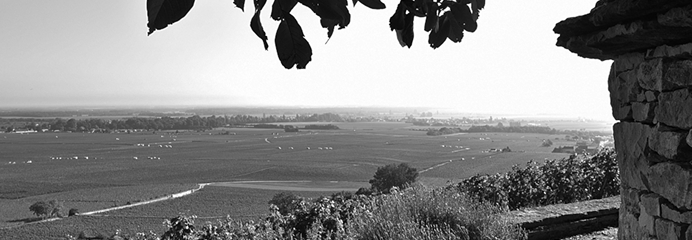
A gently sloping seam of land runs through the heart of Bourgogne’s most prestigious vineyards: La Côte (the slope). Here, nothing was planted at random—every vine has been guided by the hand of humankind.
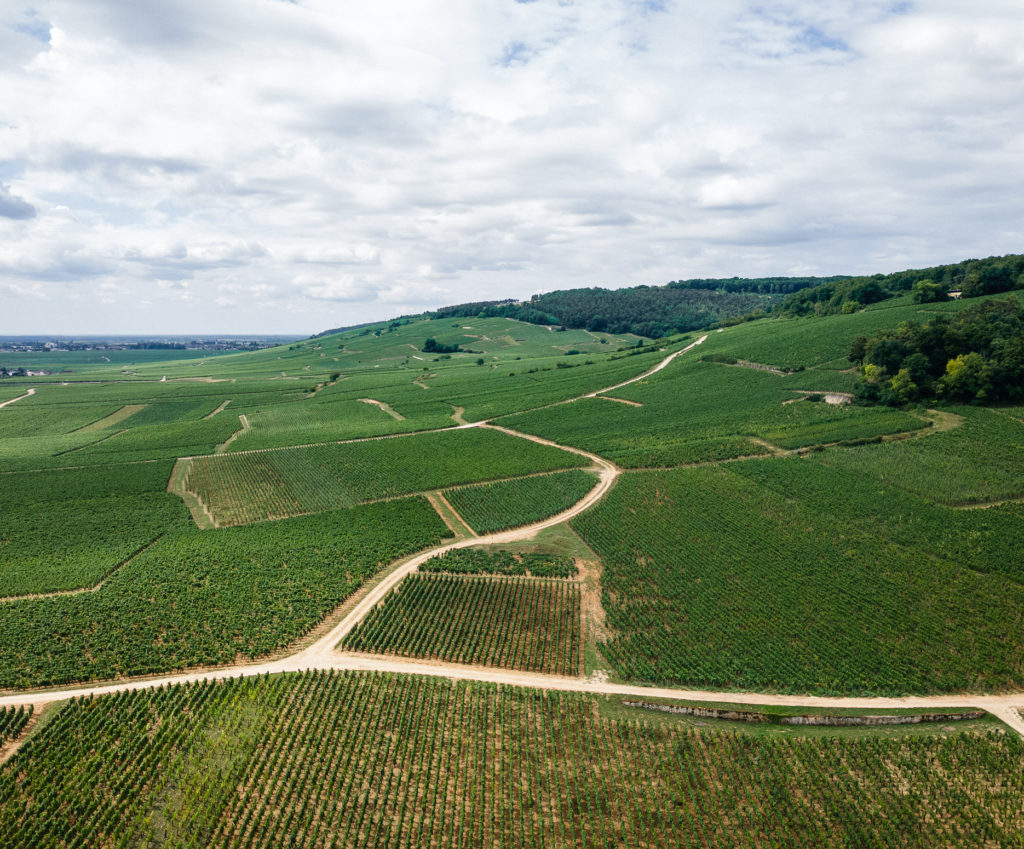
The southeast-facing slopes capture the first rays of the morning sun. Rising between 240 and 320 meters in elevation, they achieve a delicate balance between light and coolness. From one parcel to the next, subtle differences in terroir—often invisible to the eye—create a mosaic of nuance. Slight variations in soil, exposure, gradient, or depth all leave their mark on the wine. At the heart of this intricate landscape lie two legendary names: Côte de Nuits and Côte de Beaune.
Under the influence
OF SKY
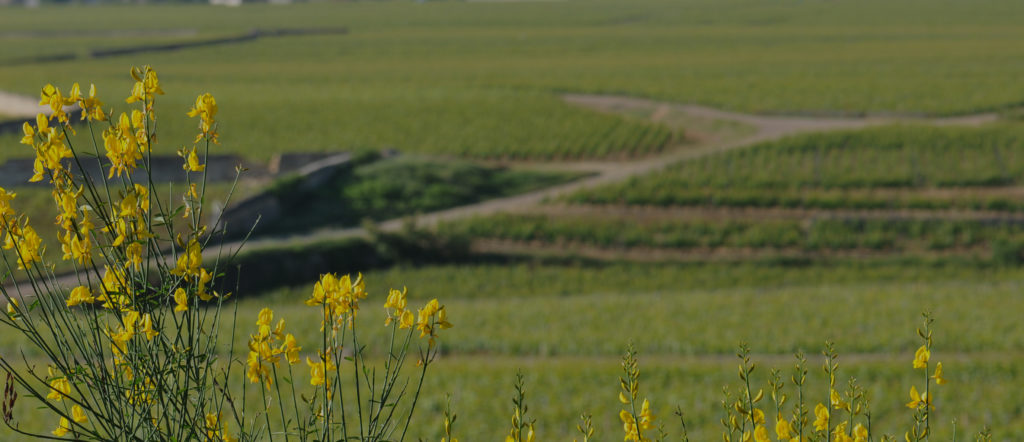
Our vineyards lie within a continental climate, marked by cold winters, hot summers, and sudden temperature swings.
At the autumn equinox, the weather can shift abruptly, sometimes requiring an earlier harvest. I’ve noticed that dry, cold northeasterly winds tend to usher in ideal conditions for vine growth. Conversely, humid winds from the west or southwest can slow ripening and increase the risk of disease. Fortunately, the natural orientation and gentle slope of our vineyards offer protection from these extremes. Sheltered and east-facing, they receive the morning light without being overly exposed to humidity—an advantage that helps preserve both fruit and balance.
Lieux dits,
FRAGMENTS of memory
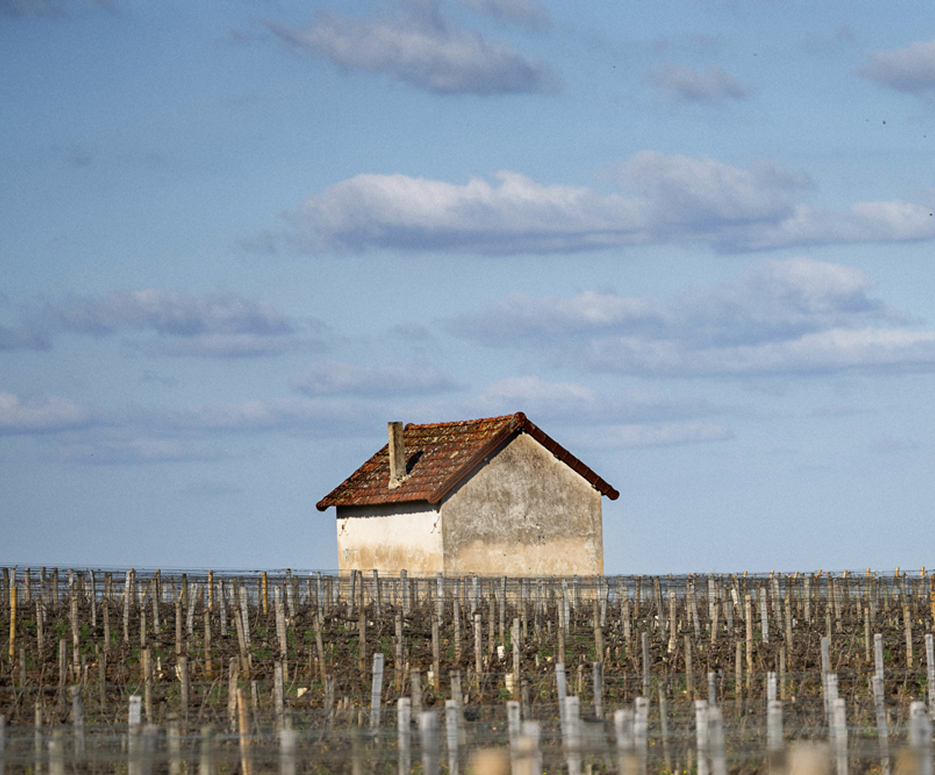
Over time, terroirs have emerged from both geological evolution and the ways humans have used and shaped the land. Their uniqueness reflects the complex interplay of geology, geography, climate, technique, culture, history, and knowhow. Each terroir has its own identity, born of a place and carried forward through transmission.
Since the creation of the cadastre, lieux-dits have been recognized for their distinct topographic or historical features. They draw their names from the observations and memories of those who worked the land. Some names reflect the shape of the terrain or the nature of the soil, others preserve traces of old customs or family heritage. Les Plateaux, Les Petits Monts, Les Dames Huguettes… These are parcels we still cultivate today. Each tells the story of a piece of land—and the people who have cared for it.
A PERSONAL REFLECTION
What THE LAND
whispers
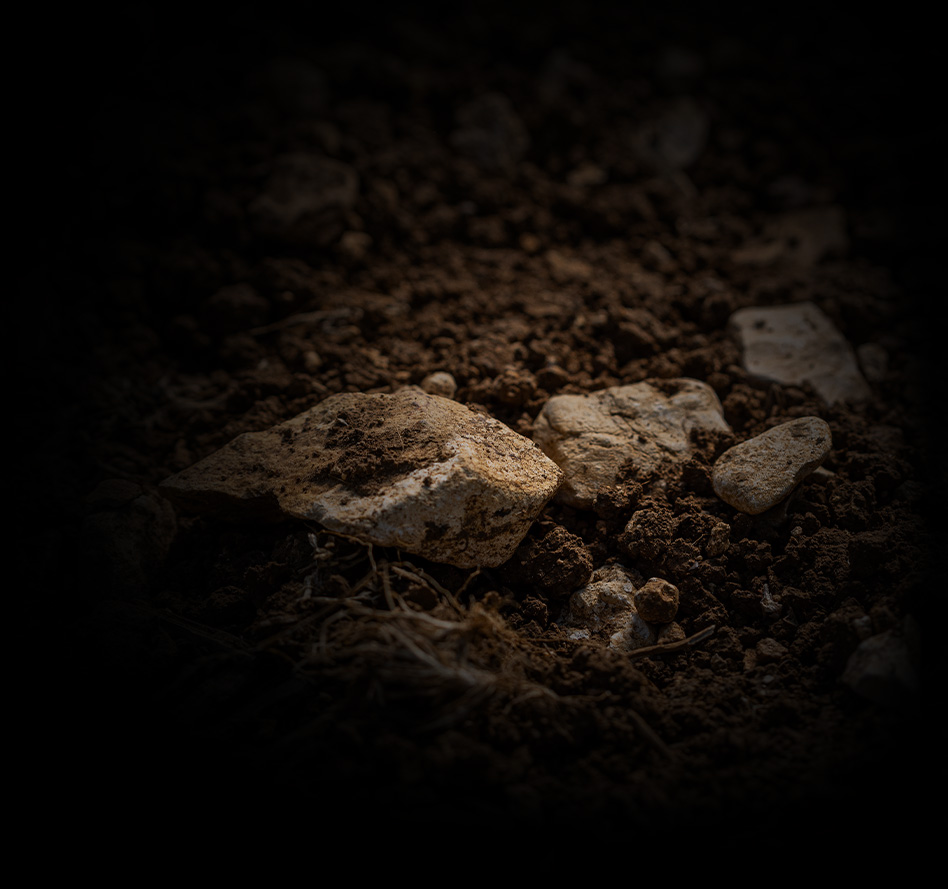
Where others see only the beauty of Burgundy’s landscape. I already perceive the signature of my wines. I believe silence speaks more eloquently than words—and that the soil, if you truly listen, can stir up the deepest emotions.

The memory
OF STONES
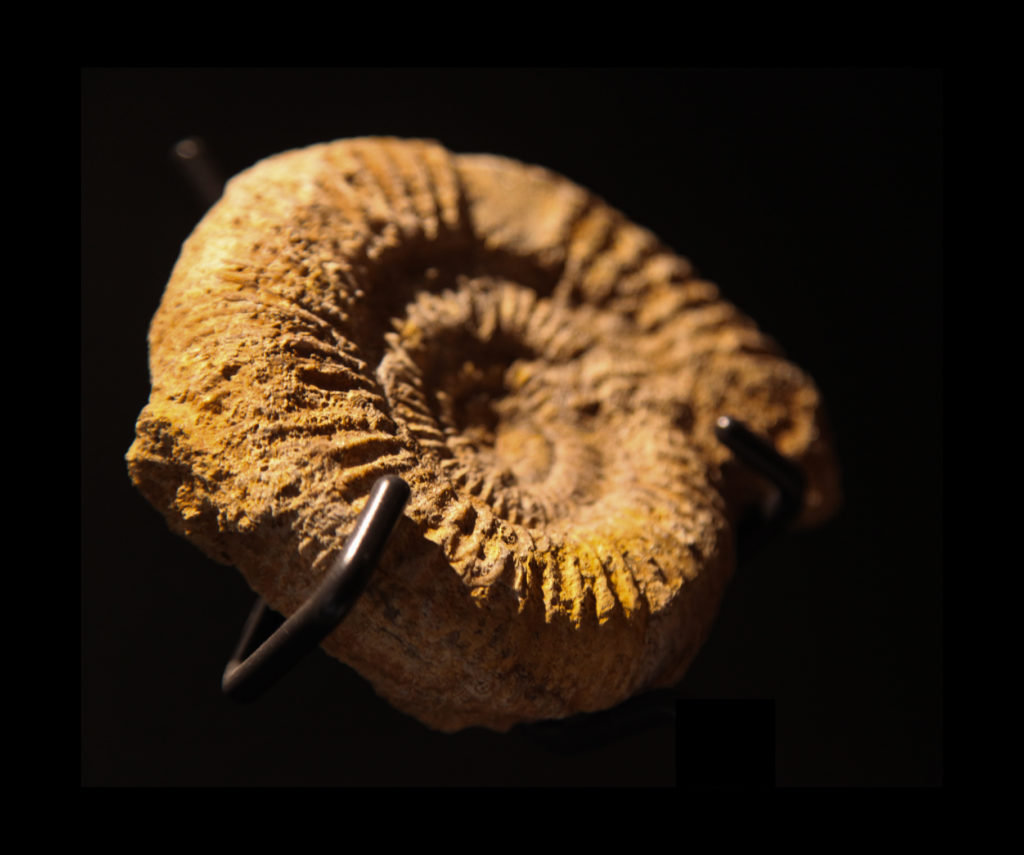
Domaine Mongeard-Mugneret rests atop a mosaic of ancient, complex strata. Marine limestone, iron-rich marl, and ribbons of clay—all these shape the minerality of our wines. Here, every root reaches into a geological past that humbles us.
Some 150 million years ago, Bourgogne was a tropical lagoon. Coral reefs formed, and sediments slowly settled. Then came tectonic shifts—the seabed fractured, and the Alps began to rise. The sea receded, leaving behind thick layers of mineral memory. During the Ice Ages, extreme cold locked the ground in permafrost. Only the uppermost layers thawed in summer, releasing torrents of silt and soil down the slopes.
Over time, these flows built up the complex layering we see today. As the climate cycled, frost broke rock, water carved ravines, and landslides deposited colluvium at the base of the slopes. These rhythms left their mark. Fine alluvium, washed further afield, sometimes blends with the hillside soils. But the soil is no inert matter—it breathes, it exchanges, it vibrates. Where the living meets the mineral, humus forms, and with it, the soil’s ability to nourish the vine. This slow dance of erosion and fossilization is what shaped the exceptional soils we know today.